Women & Girls
Advancing opportunity
We improve access to resources, decision-making, health information, livelihoods, and protection services.
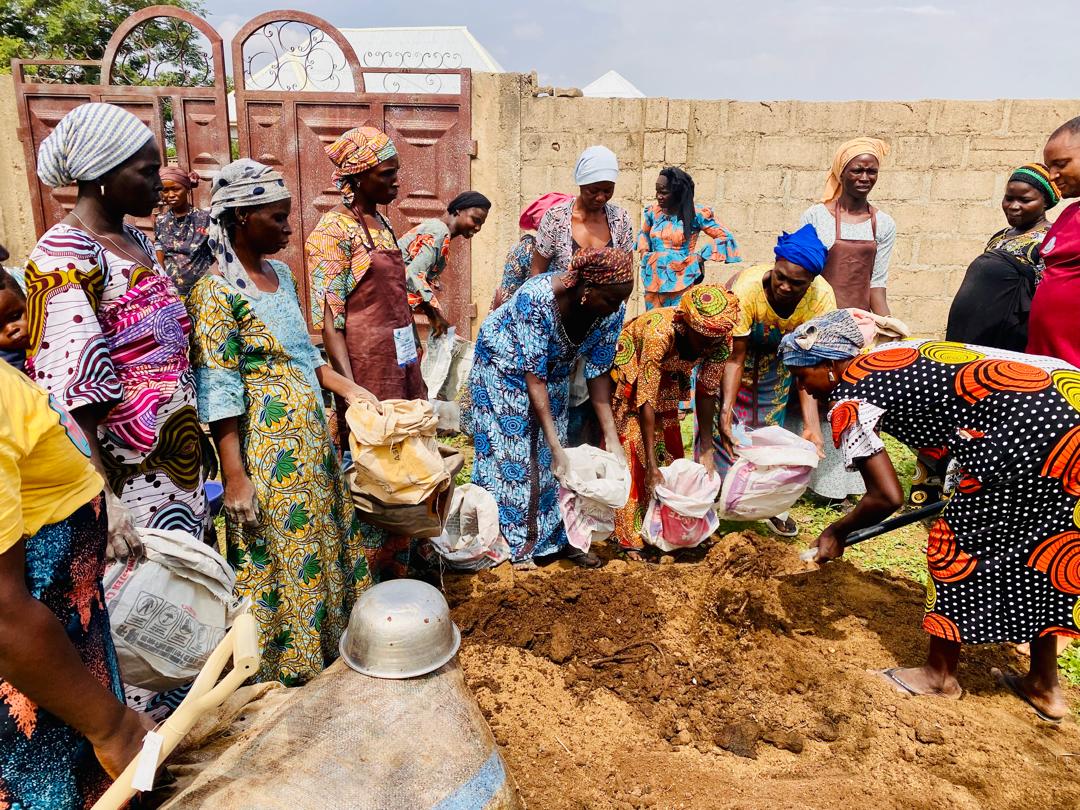
Evidence Initiative for Improved Livelihood (EIFIL) is a registered non-governmental and non-profit organization established in 2015 to improve lives, foster resilience, and build sustainable communities in Nigeria. EIFIL addresses critical humanitarian, development, and environmental challenges through innovative and inclusive approaches guided by equity, transparency, and accountability.
Advancing opportunity
We improve access to resources, decision-making, health information, livelihoods, and protection services.
Supporting their potential
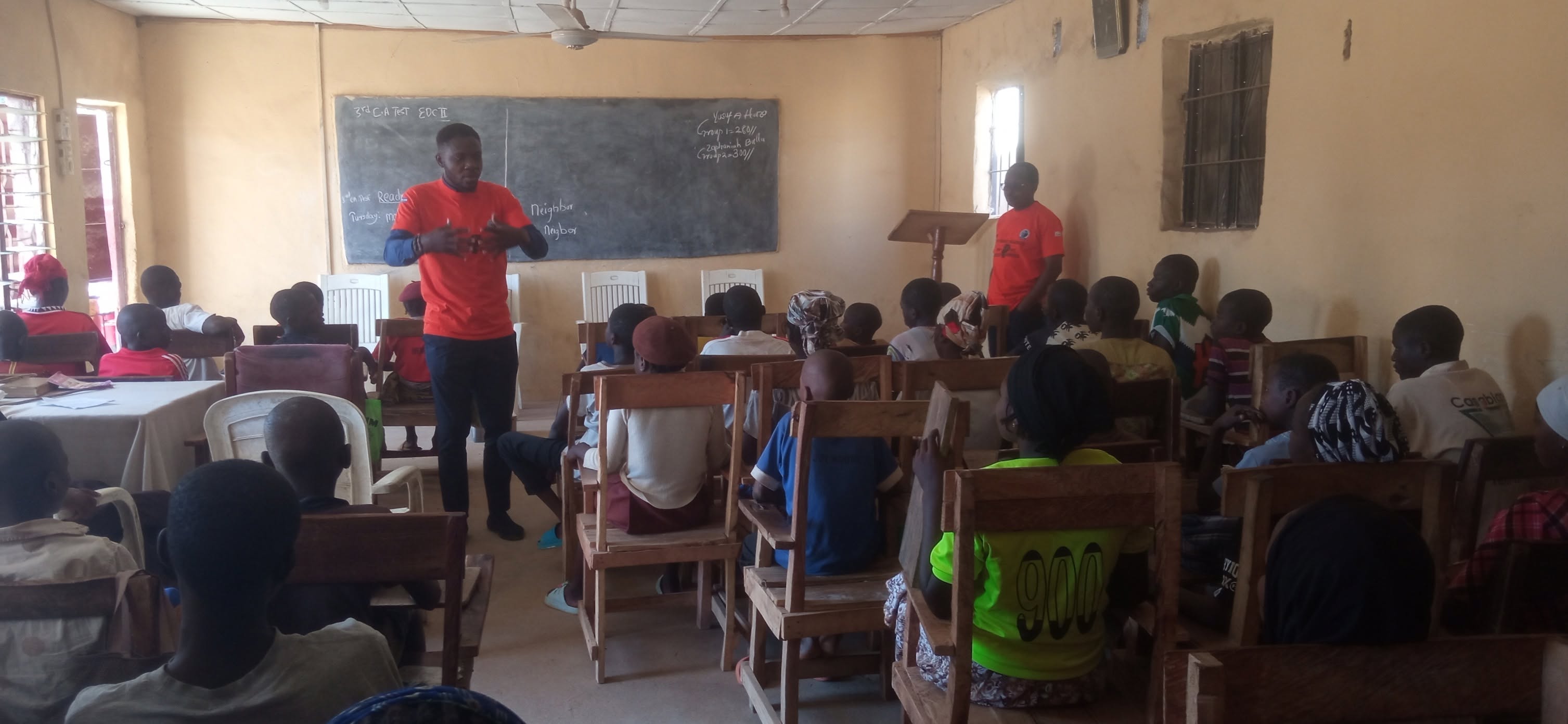
We expand access to quality education, health, nutrition, safeguarding, and youth-friendly services.
Locally led change
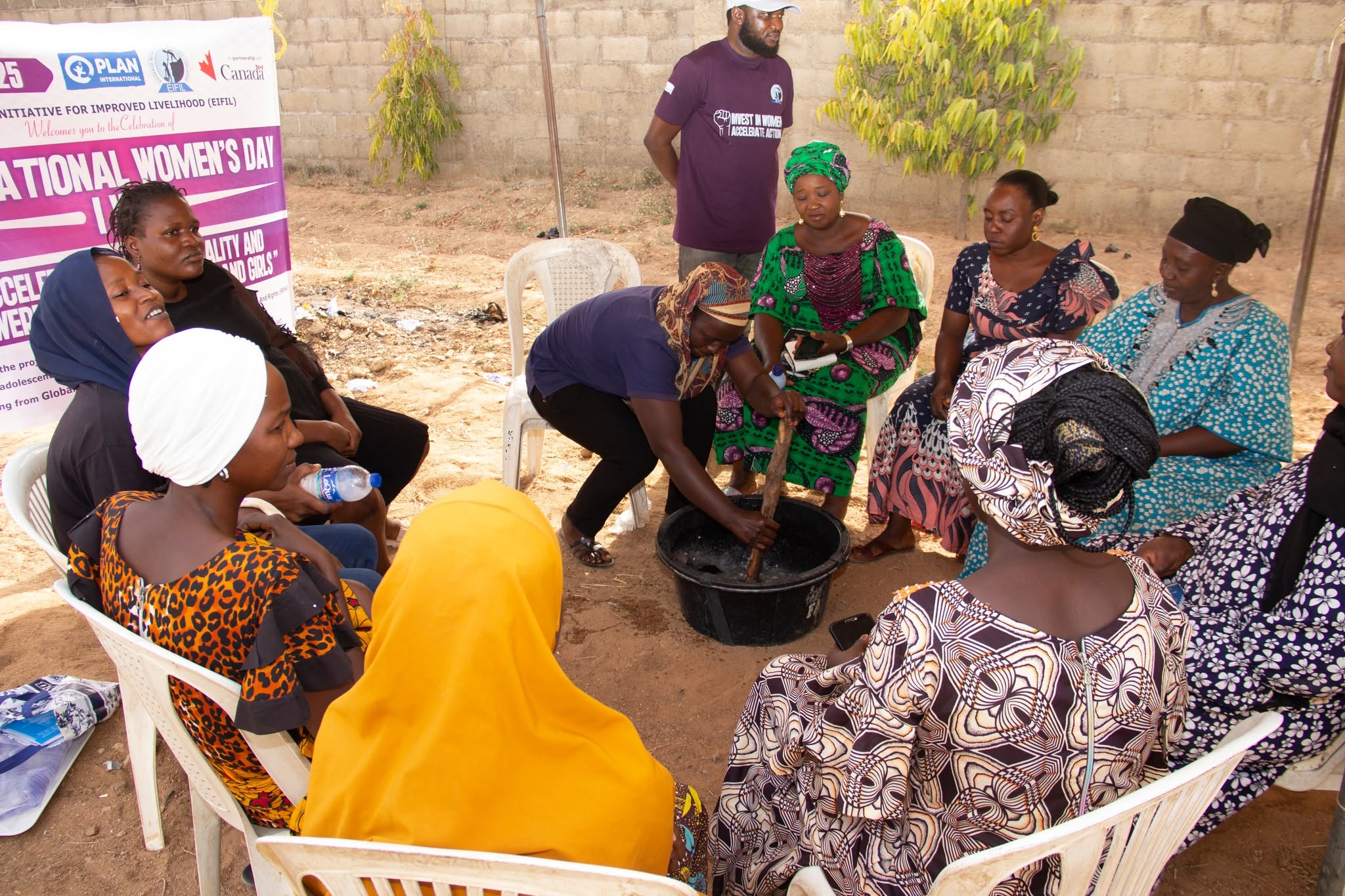
We help communities identify challenges, implement solutions, build resilience, and promote social cohesion.
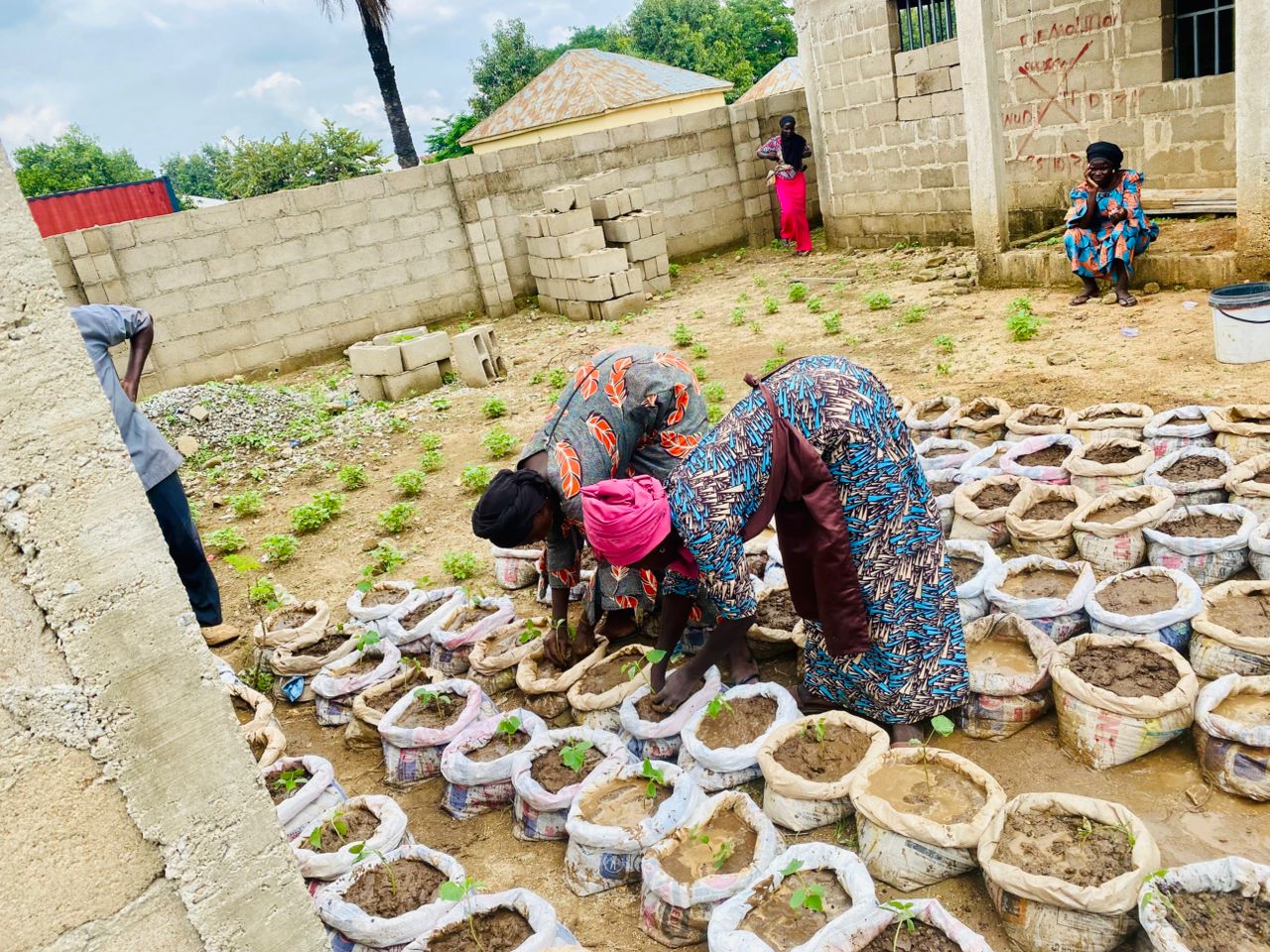
Training, agricultural inputs, climate-resilient farming, tree planting, and conservation initiatives that improve yields and strengthen food security.
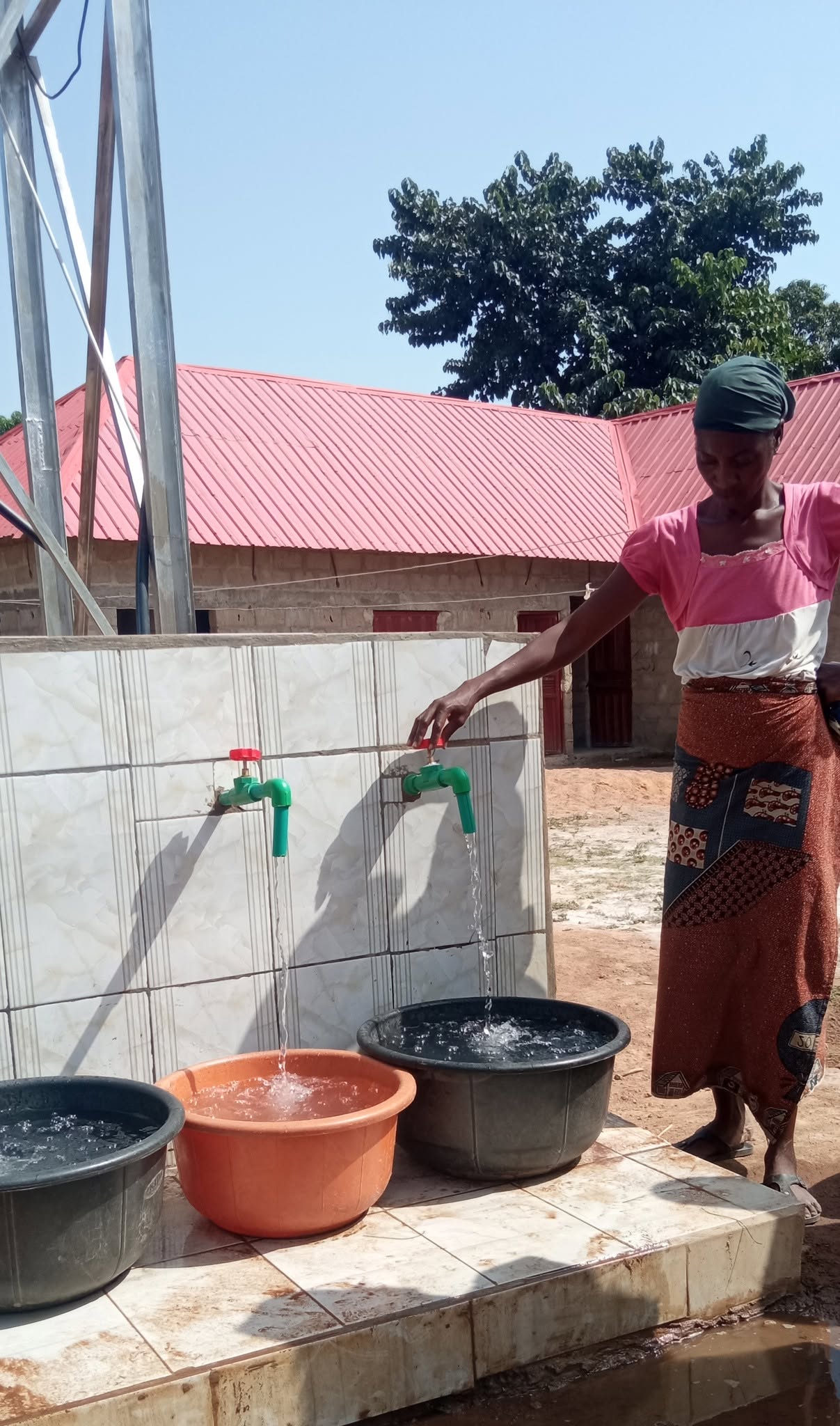
Expanding access to safe water and sanitation while providing hygiene education to prevent waterborne disease.
Improving access to quality education for marginalized and displaced children, with particular attention to girls.
To empower vulnerable women, children, and communities by promoting sustainable livelihoods, improving access to resources, and advancing social justice.
A future where vulnerable women, children, and communities live better lives and realize their full potential.
Evidence Initiative for Improved Livelihood (EIFIL) is a registered non-governmental and non-profit organization established in 2015 to improve lives, foster resilience, and build sustainable communities in Nigeria. EIFIL addresses critical humanitarian, development, and environmental challenges through innovative and inclusive approaches guided by equity, transparency, and accountability.
EIFIL is governed by a Board of Trustees comprising professionals with expertise in development, health, and humanitarian response. Its operational team includes an Executive Director, programme managers, field officers, and volunteers dedicated to delivering impactful services.
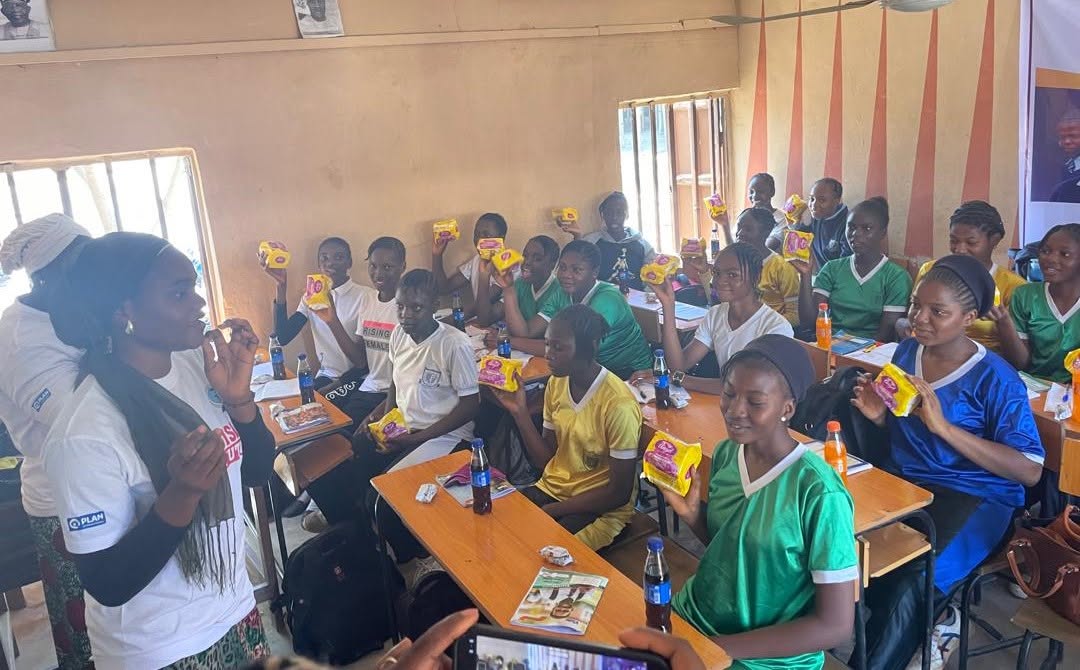
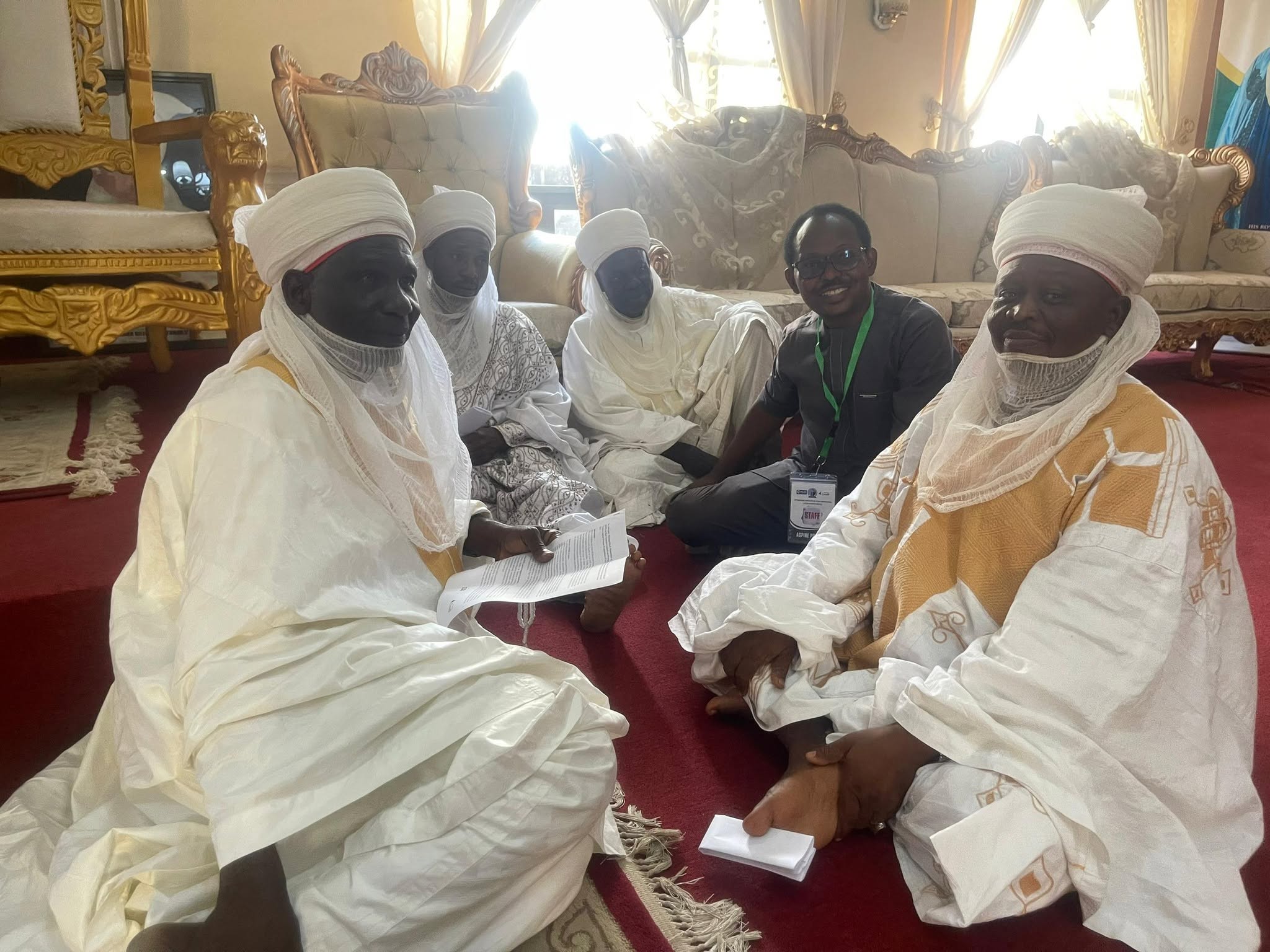
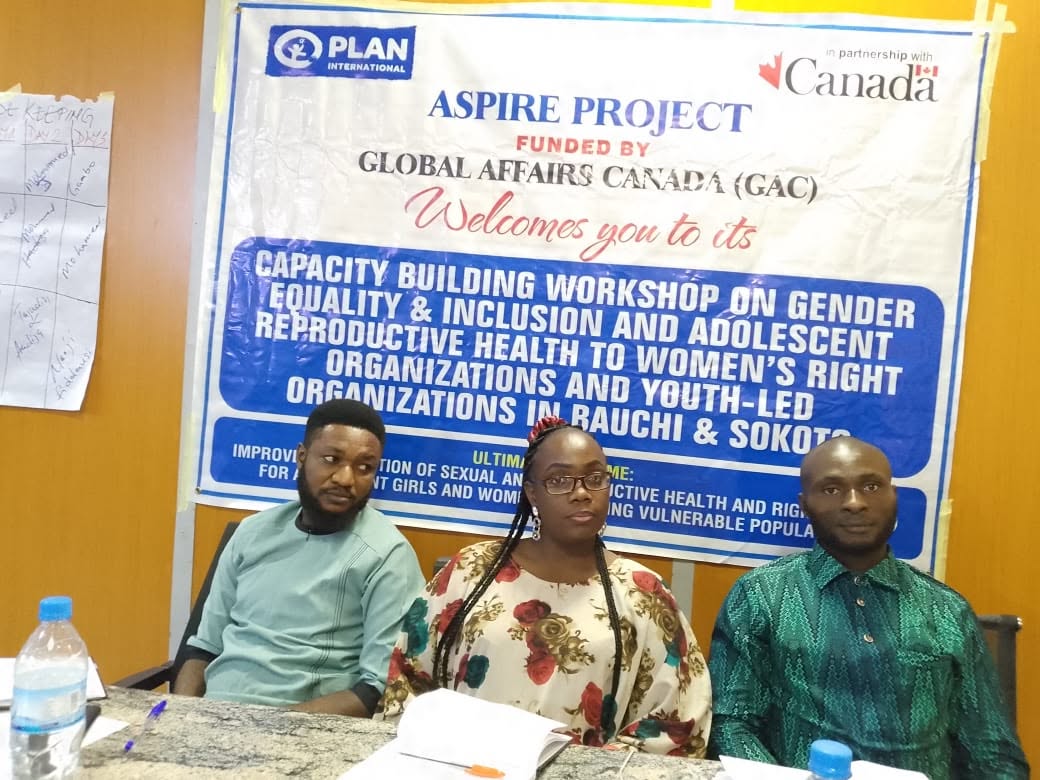
Adolescent sexual and reproductive health and rights, gender equality and social inclusion, and child safeguarding in vulnerable Bauchi State communities.
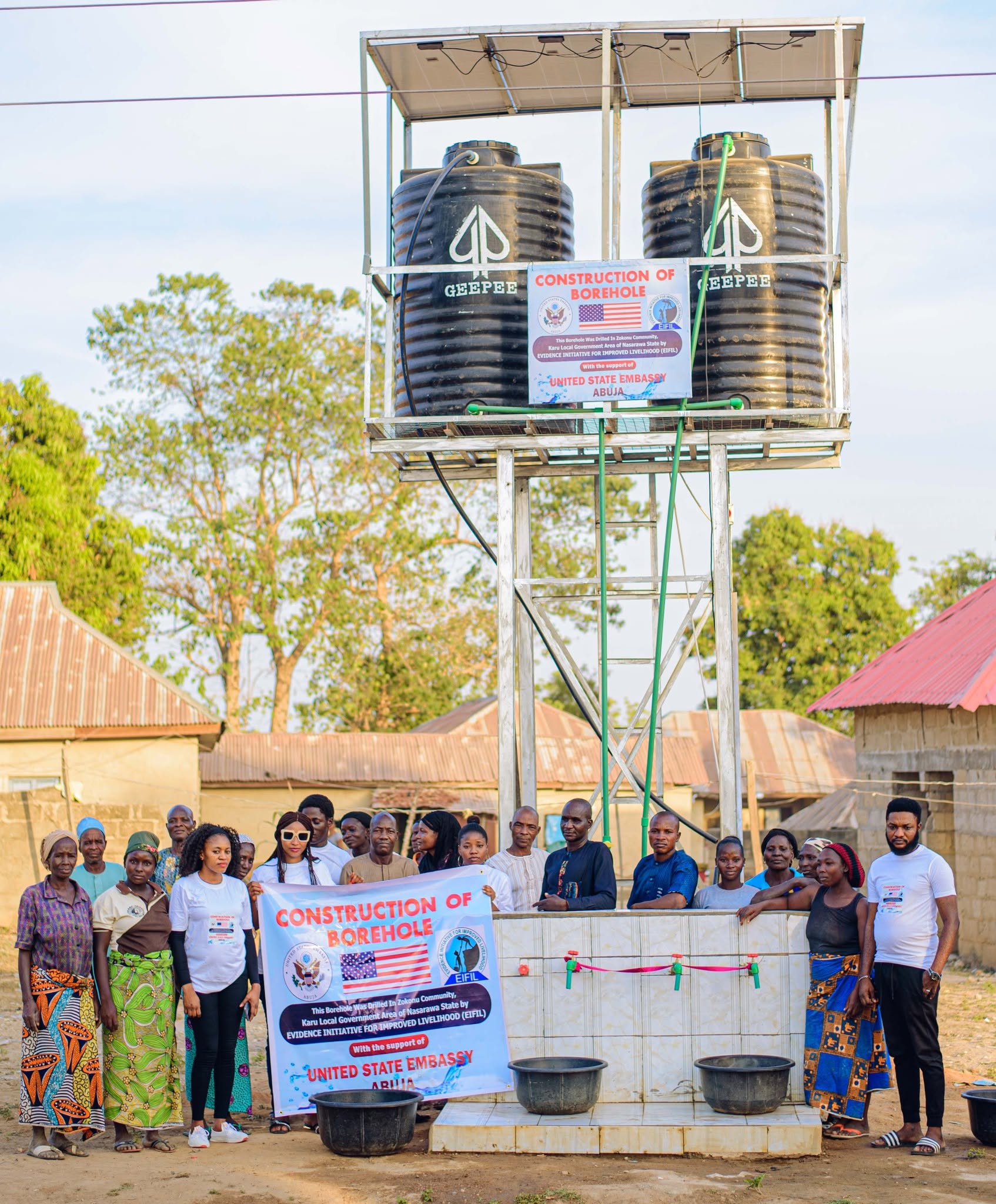
A U.S. Ambassador Self-Help Grant project providing potable water to 450 households—approximately 2,500 people—in Karu LGA, Nasarawa State.
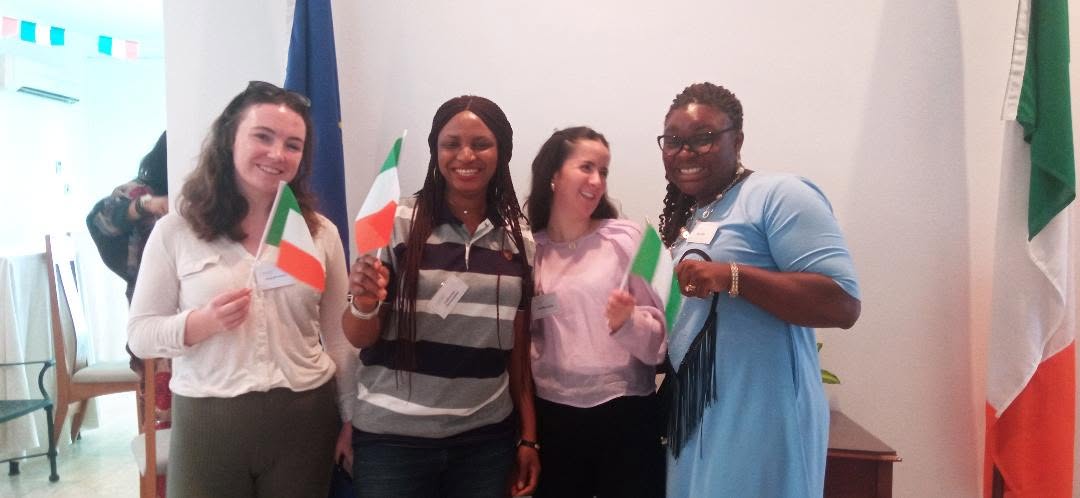
An Irish Aid-supported potable-water project serving 600 households—approximately 3,000 people—in Karu LGA, Nasarawa State.
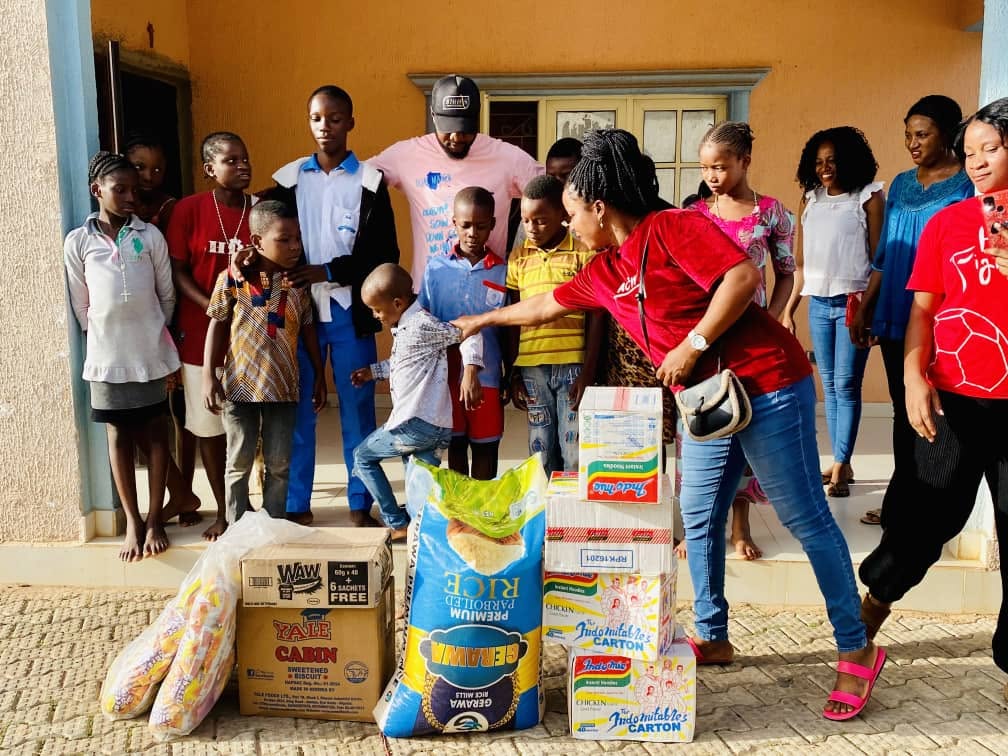
Irish Aid-supported distribution of food and non-food items to 150 households in Gurku IDP and host communities in Nasarawa State.
Peace-building training, liquid-soap and detergent production, and modern agricultural home-garden training for women in Nasarawa State communities.
Practical sack-farming training that helps women grow food in limited spaces, improve household nutrition, and build climate-resilient livelihoods.
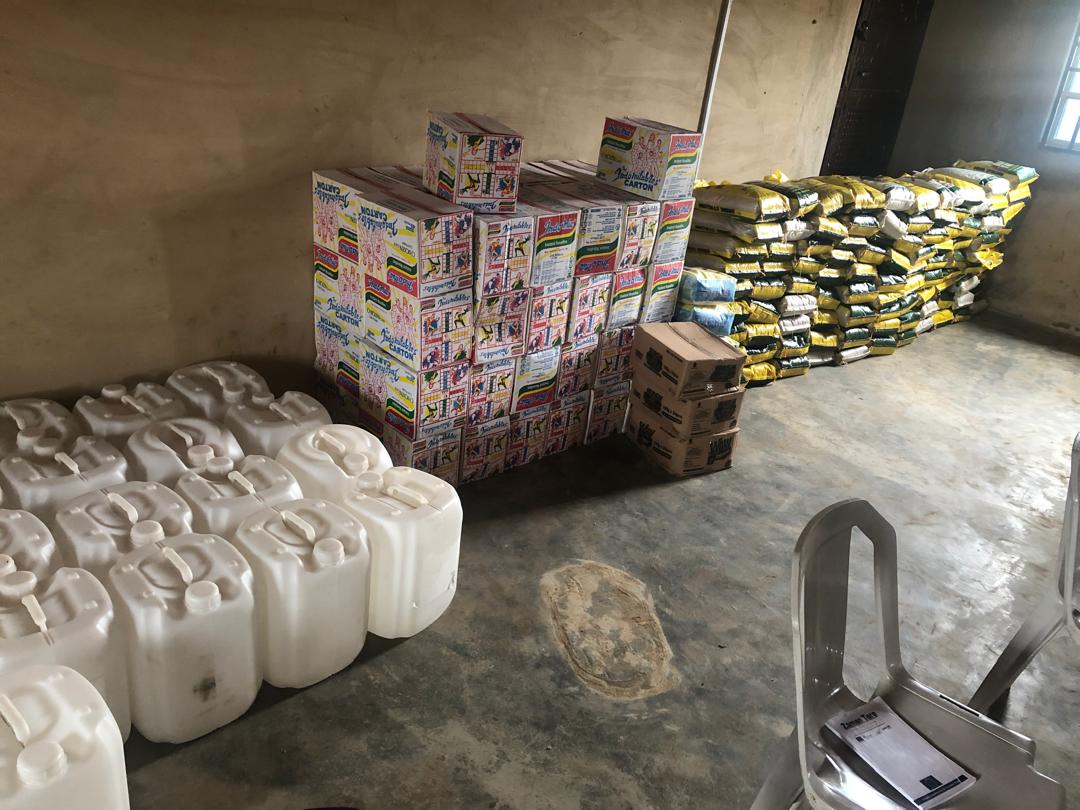
Community food assistance and nutrition support that help vulnerable households meet immediate needs and strengthen family well-being.
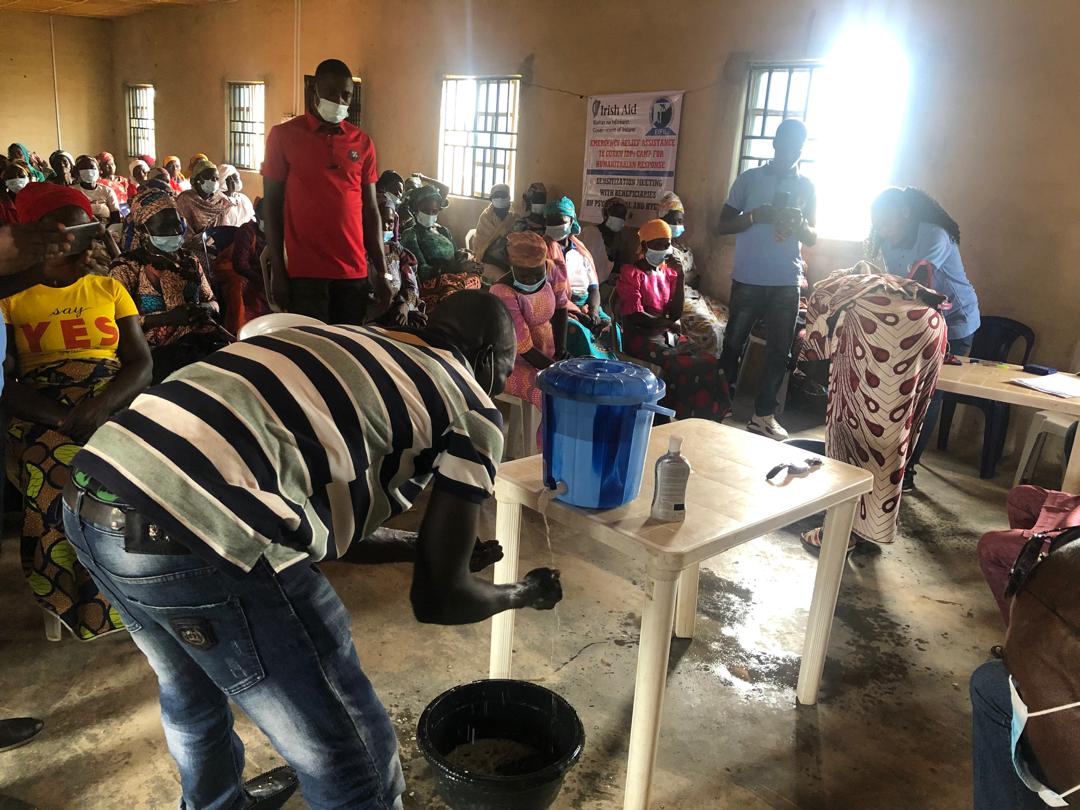
Accessible health information and outreach services supporting disease prevention, maternal and child health, and healthier communities.
Documented community reach
Impact through practical, locally led programmes